– Abundant marine life, including rare species
– Ideal conditions for macro photography
– Accessible dive sites for various skill levels
Exploring Maratua’s Macro Diving Scene
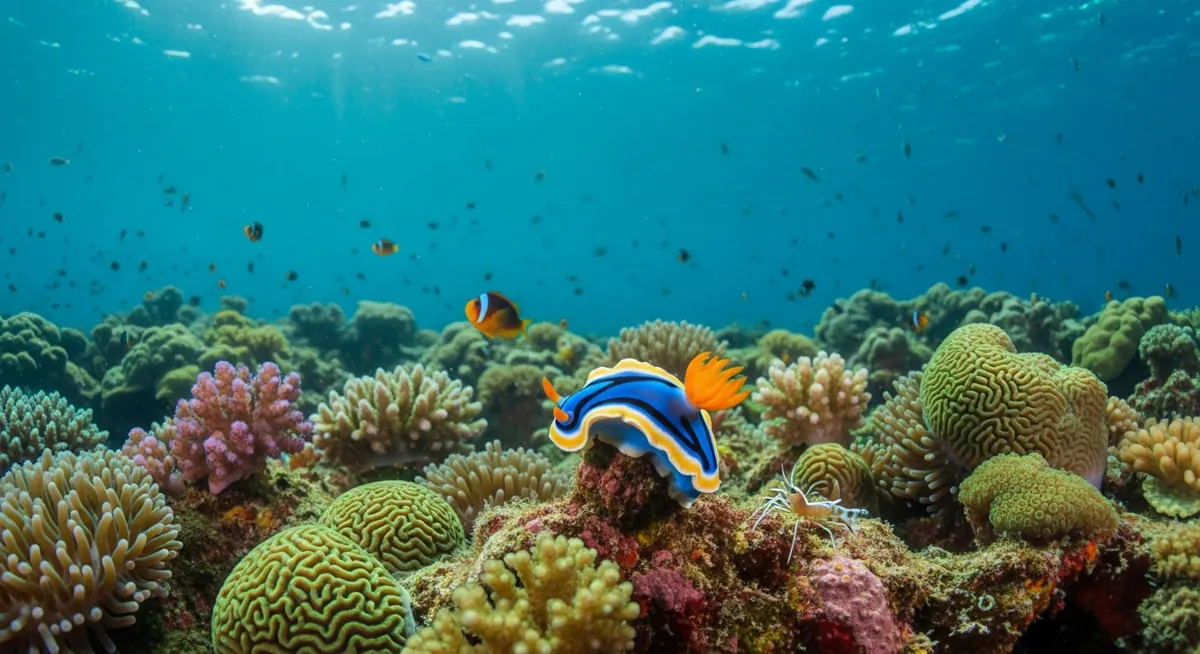
Maratua Island, part of the Derawan Islands in East Kalimantan, Indonesia, is renowned for its macro diving opportunities. With clear waters and diverse marine life, it is a hotspot for underwater photographers and marine biologists alike. The island features a variety of dive sites where divers can encounter an range of critters, from colorful nudibranchs to elusive sea horses.
Best Time for Macro Diving in Maratua
The best time to visit Maratua for macro diving is during the dry season, which typically runs from April to November. During this period, visibility is at its best, often exceeding 20 meters, allowing divers to fully appreciate the minute details of marine life. Water temperatures remain warm, averaging between 27°C to 30°C, making for comfortable diving conditions.
- April to November: Optimal diving conditions
- December to March: Rainy season; diving may be less favorable
- Visibility: Up to 20 meters during peak season
Top Macro Dive Sites in Maratua
Maratua features several dive sites ideal for macro photography. Each site showcases unique marine ecosystems, perfect for capturing images of small yet fascinating marine creatures.
1. The Channel
The Channel is a famous dive site with a depth of 10 to 30 meters. This site is known for its diverse marine life, including various species of shrimps, crabs, and small fish. The vibrant coral formations provide a striking backdrop for macro photography.
2. Turtle City
Turtle City is not just about turtles; it also offers a rich variety of macro life. Divers can spot sea horses, ghost pipefish, and anemone shrimp. The site is relatively shallow, making it accessible for divers of all skill levels.
3. The Drop Off
The Drop Off is characterized by steep walls covered in soft corals. This site is ideal for spotting rare critters like the pygmy seahorse. The steep drop also provides excellent opportunities for wide-angle shots alongside macro photography.
Marine Life to Capture
Maratua’s waters are teeming with fascinating marine creatures that are perfect for macro photography.
- Nudibranchs: These colorful sea slugs are a favorite among underwater photographers. Look for them hiding among corals and rocks.
- Pygmy Seahorses: Known for their small size and ability to blend in with corals, these creatures require patience to photograph.
- Shrimps and Crabs: Various species can be found in the reefs, often hiding in crevices or among anemones.
- Flatworms: Their unique shapes and colors make them an attractive subject for macro photography.
Photography Tips for Macro Diving in Maratua
Capturing the beauty of Maratua’s marine life requires skill and the right equipment. Here are some tips to enhance your macro photography experience.
1. Use the Right Equipment
Invest in a good macro lens that allows you to focus closely on your subjects. A lens with a focal length between 60mm to 100mm is ideal for underwater photography. Additionally, consider using a DSLR or mirrorless camera with interchangeable lenses for more flexibility.
2. Master Your Lighting
Underwater lighting can be challenging, especially for macro photography. Use external strobes or dive lights to illuminate your subjects without causing backscatter. Experiment with different angles and distances to find the best lighting for your shots.
3. Get Close, But Not Too Close
Macro photography requires getting close to your subjects, but being too close can scare them away. Maintain a respectful distance while still filling the frame. Familiarize yourself with the behavior of the critters you are photographing to avoid disturbing them.
4. Be Patient
Macro diving often requires patience. Spend time observing your subjects to capture their natural behaviors. Wait for the right moment to click the shutter, especially when photographing shy creatures.
5. Practice Buoyancy Control
Good buoyancy control is crucial in macro diving. It allows you to position yourself correctly without disturbing the environment. Practice your buoyancy skills before attempting macro photography to minimize your impact on the delicate ecosystems.
Environmental Awareness
While enjoying the beauty of Maratua’s underwater world, it is vital to practice responsible diving. Avoid touching coral reefs, as they are fragile and can take years to recover from damage. Use reef-safe sunscreen to protect marine life, and adhere to local guidelines and regulations.
For more information on sustainable diving practices, check out our guide on marine conservation efforts.
Maximizing Your Macro Photography in Maratua
Diving into Maratua’s underwater world reveals a treasure trove of macro life, from the elusive pygmy seahorse clinging to sea fans to the vibrant nudibranchs decorating the reefs. Capture these moments by using a macro lens that allows you to get close without disturbing the marine life. Adjust your camera settings to a fast shutter speed to freeze the action and ensure your shots are sharp. For more on diving logistics and preparation, visit Maratua Diving or see current rates.
Getting to Maratua Island
Reaching Maratua Island requires a bit of planning due to its remote location. The most common route involves flying to Balikpapan, East Kalimantan, followed by a domestic flight to Berau. Airlines such as Garuda Indonesia and Lion Air operate flights between Balikpapan and Berau. From Berau, it’s approximately a 3-hour speedboat ride to Maratua Island, costing around USD 100 per person. It’s advisable to arrange transfers in advance with your accommodation or a local dive operator to ensure a smooth journey.
Diving Costs and Packages
Diving in Maratua is relatively affordable compared to other diving destinations. Dive packages typically range from USD 100 to USD 150 per day, including two to three dives, equipment rental, and a local guide. Many dive resorts offer multi-day packages that include accommodation, meals, and transfers, starting at around USD 500 for a 3-day stay. It’s recommended to book in advance, especially during peak season, to secure your spot and take advantage of any promotional offers.
Exploring Nearby Dive Destinations
While Maratua offers incredible macro diving, other nearby islands in the Derawan archipelago also boast rich marine biodiversity. Consider extending your trip to explore Sangalaki, known for manta rays, and Kakaban, famous for its jellyfish lake where you can swim with non-stinging jellyfish. These destinations are accessible by boat from Maratua, with day trips costing around USD 50 to USD 70. Each island offers unique diving experiences, making the Derawan Islands a must-visit for any diving enthusiast.